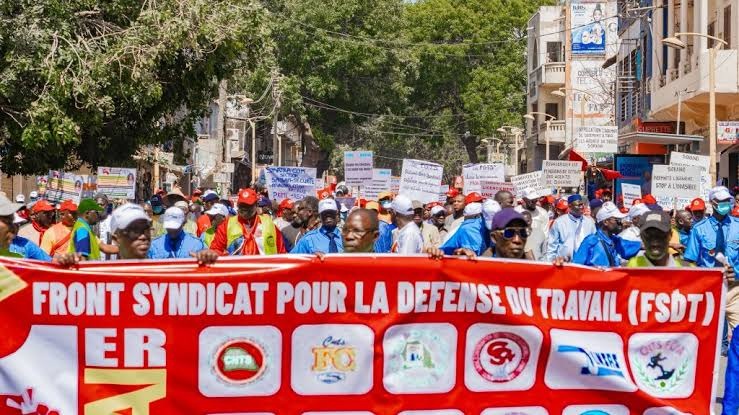
In Senegal, the FSDT and the G7 teachers' coalition announce a 72-hour strike starting on 21 October 2026, amid social and budgetary tensions. The text also highlights the possible impact on the Dakar 2026 Youth Olympic Games, due to start in ten days.
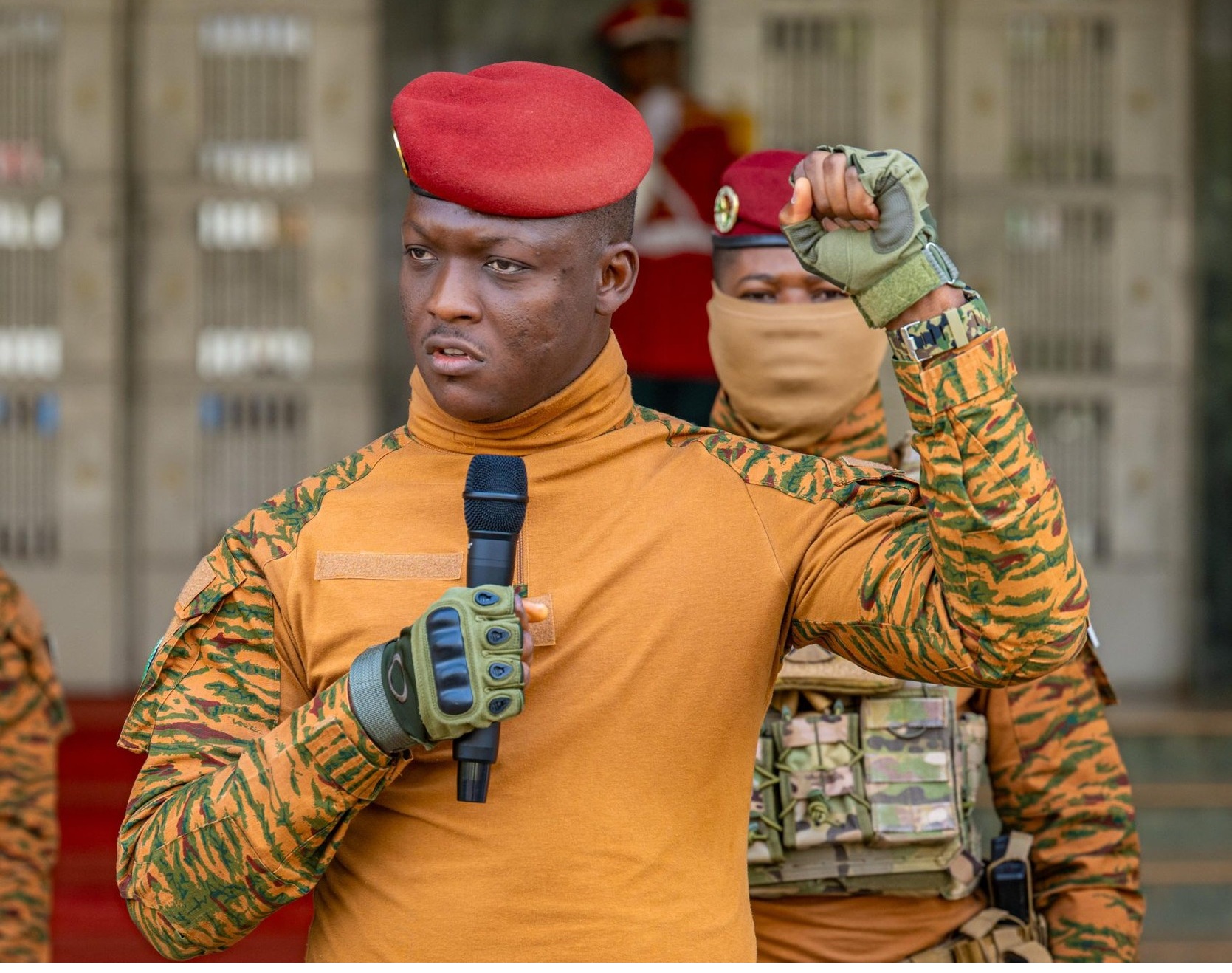
The Legislative Assembly has approved the reinstatement of the death penalty in Burkina Faso, which had been abolished in 2018. The law targets espionage, high treason and terrorism, according to a bill adopted in cabinet in 2025.
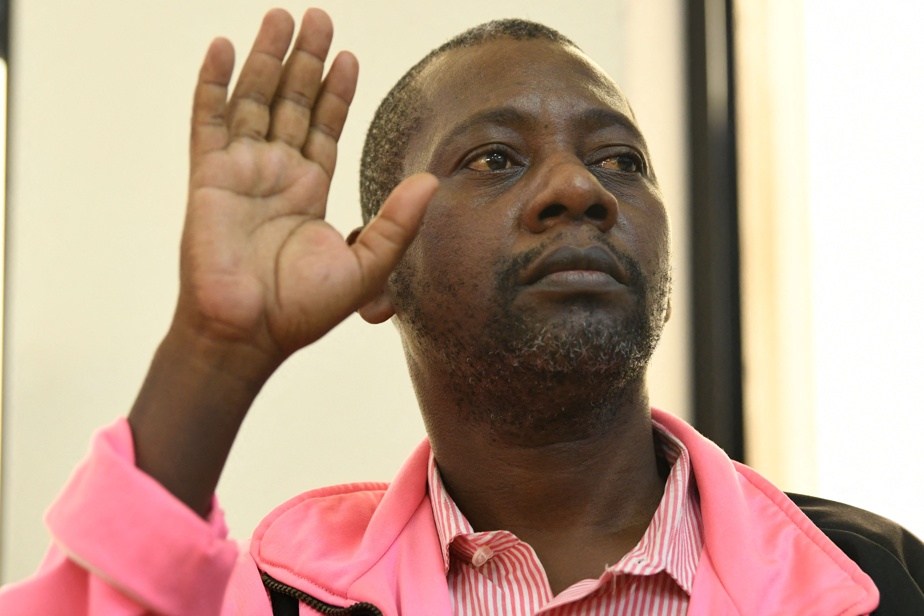
In Kenya, Paul Mackenzie was found guilty on 19 October 2026 in the Shakahola Forest massacre case, which left 191 dead, including 190 children. The text describes his religious indoctrination and mentions a possible life sentence.
The trial in the so-called “trading” case, involving public funds estimated at several tens of billions of CFA francs, opens on 19 October 2026 at Ouaga I High Court. More than 1,000 victims are involved.
Egyptian President Abdel Fattah al-Sisi has asked parliament for authorization to take measures to defend Saudi Arabia if Riyadh requests help. The House of Representatives is due to meet in emergency session on Sunday, with no deployment decided so far.
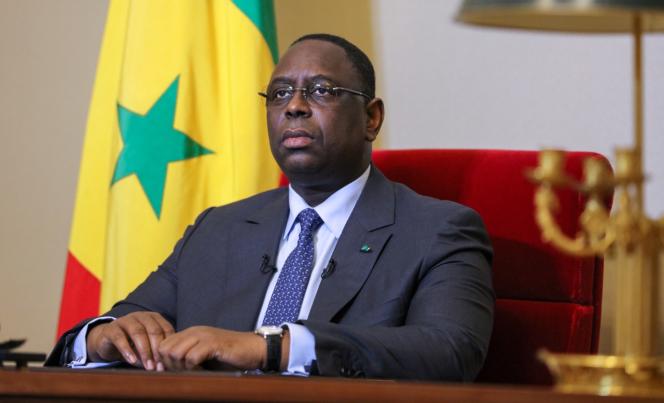
The article revisits Macky Sall’s bid for UN Secretary-General, which was contested and eventually withdrawn. The author says he stayed in the race until the end to allow a consensus candidate to emerge.
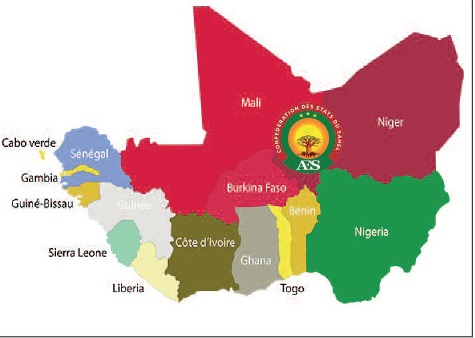
In Dakar, the AES and ECOWAS held a first face-to-face meeting that led to a joint communiqué. The two sides are seeking a framework for coexistence and cooperation, notably on the fight against insecurity and jihadism.
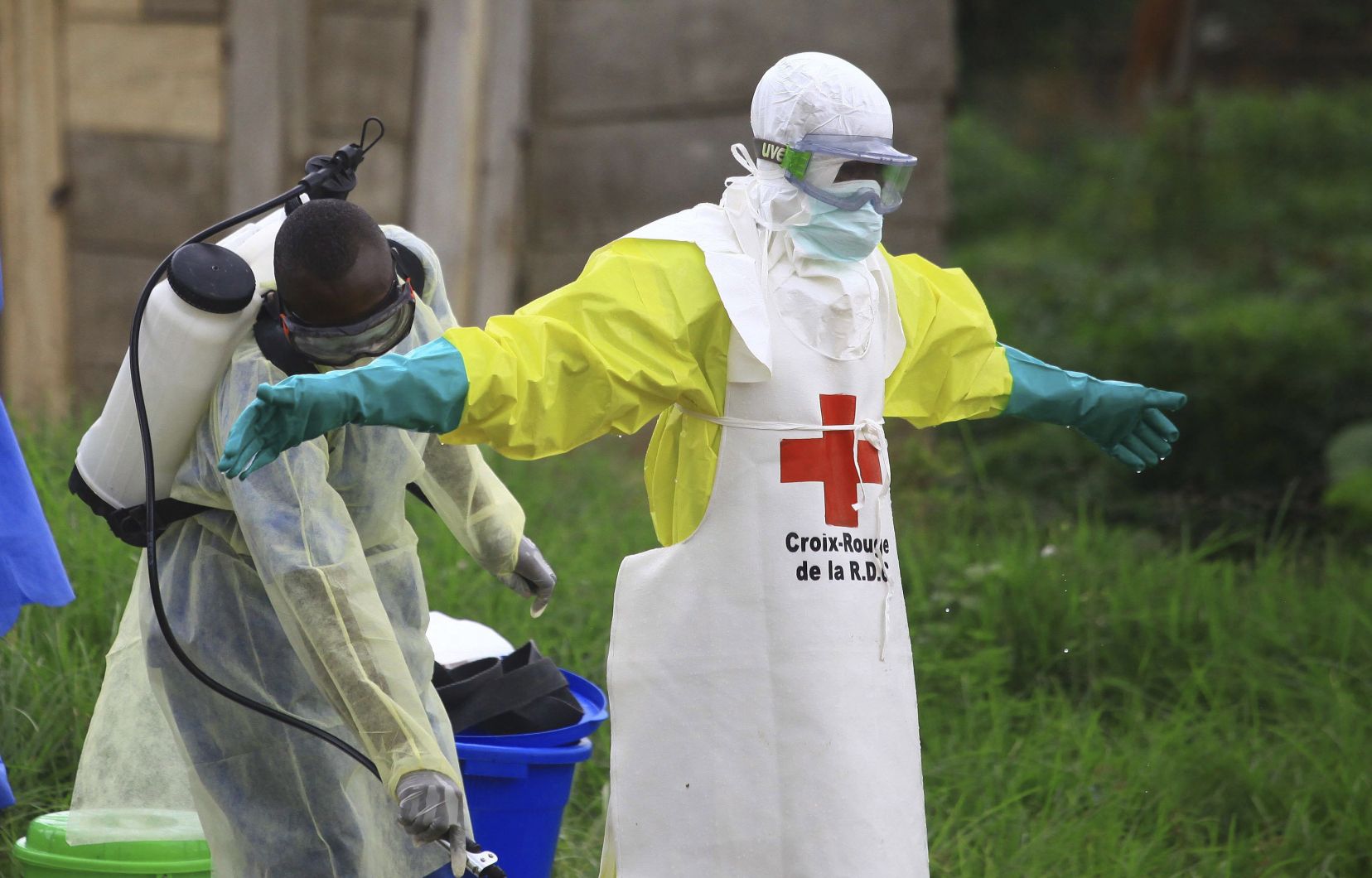
In the DRC, a financial scandal is alleged in the fight against Ebola: $700 million would have been dissipated out of $960 million allocated by donors, according to Dr. Jean Kaseya of Africa CDC. The government is being urged to shed light on the funds.
The text revisits Thomas Sankara’s assassination at the Conseil de l’Entente on 15 October 1987, then compares his legacy with Ibrahim Traoré’s action, presented as an heir to the Sankarist ideal. It also mentions the Sankara trial and the political figures linked to this history.
According to an IMF report published on October 13, 2026, growth in East Africa and sub-Saharan Africa is expected to reach 4.5% to 5% in 2026-2027, with West Africa around 6%. The text cites Kenya, Rwanda, Niger, Mali and Burkina Faso as drivers of this momentum.
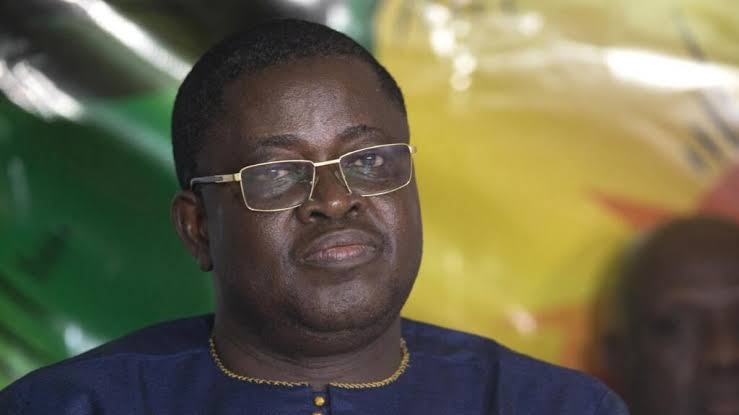
The article presents the election of Nourénou Atchadé as president of Les Démocrates in Benin, after the departure of Boni Yayi. It describes the challenge ahead as he seeks to rebuild a weakened party absent from elected institutions.
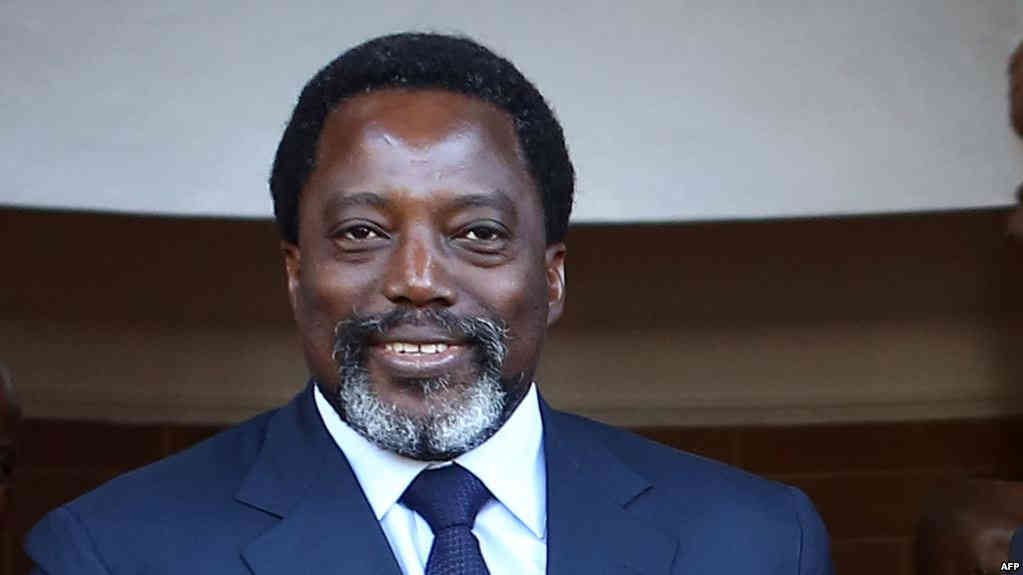
In the DRC, former president Joseph Kabila is presented as the head of the FRN, a coalition created after the dissolution of the AFC/M23. The article links him to the rebellion in the east of the country and says he rejects the ongoing peace processes.
The article looks back at Navi Pillay’s path to the 2026 Nobel Peace Prize and highlights the role of the Mapping Report on crimes committed in the DRC between 1993 and 2003. It also mentions Dr Denis Mukwege’s work with women victims of violence.
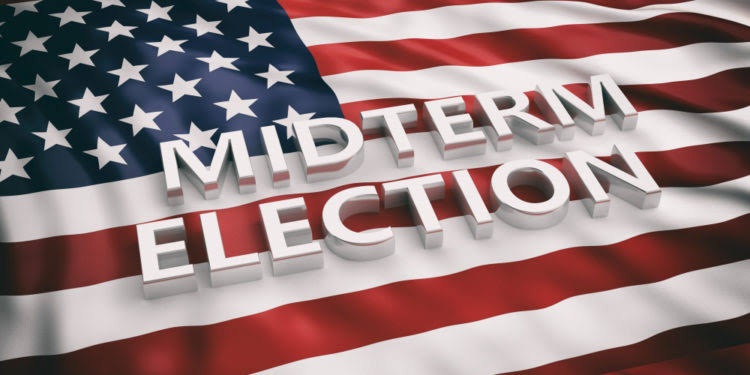
Twenty-one days before the U.S. midterm elections, a poll outlines the voting intentions of African American voters, who are largely leaning toward Democrats. It also highlights uncertainty among some independents and young Black men.
Burkina Faso has adopted the RELANCE 2026-2030 plan, worth CFA 36,000 billion, presented as the country's new development framework. The government says nearly two-thirds of the plan will be financed through sovereign resources, with support expected from the private sector.
South African justice has rejected the diplomatic immunity argument invoked by Kemi Seba, leaving open the possibility of his extradition to Benin. The hearing on the merits of the request is scheduled for November 20.
Ten months after the disputed 2025 AFCON final between Morocco and Senegal, the Court of Arbitration for Sport opened its first hearing on 9 October 2026. The arbitrators must rule on the match result and on the application of CAF articles 82 and 84.
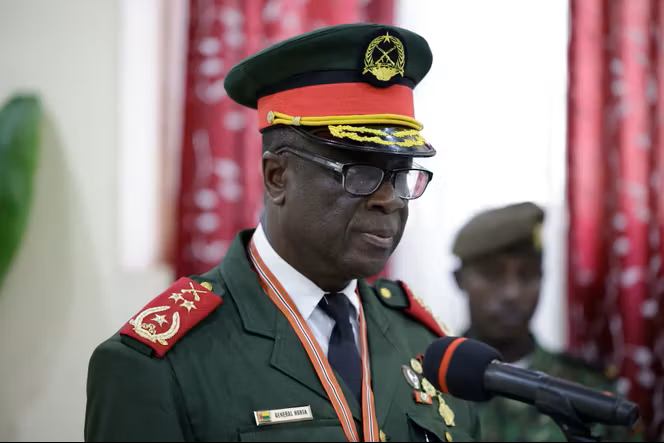
In Guinea-Bissau, the electoral commission said the presidential and legislative elections scheduled for December 6 cannot be held on time. The prime minister echoed that view, paving the way for a possible postponement and an extension of the transition.